

INTRA-BRICS COOPERATION
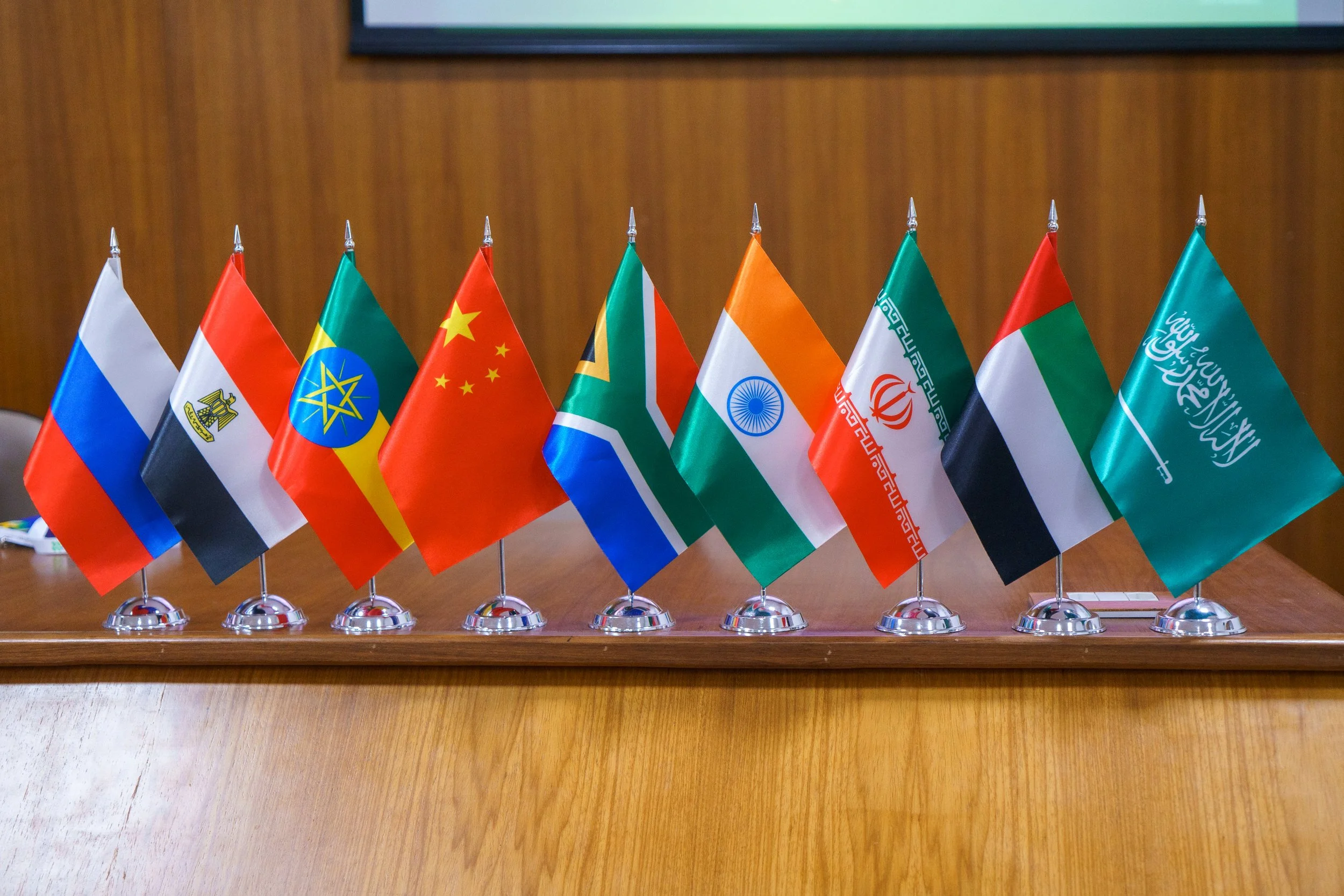
BRICS stands at critical juncture in 2026. The historic 2024 expansion, maturing institutional infrastructure (NDB, CRA), growing currency cooperation network, and demonstrated resilience through crises (COVID-19, Russia sanctions, global inflation) validate BRICS as enduring feature of multipolar order rather than temporary emerging market phenomenon. BRICS-10's collective economic weight—37% of global GDP (PPP), 45% of population, 43% of oil production—positions it as indispensable actor in global economic governance.
INDIA AND GLOBAL GOVERNANCE
India stands at critical juncture in global governance trajectory having successfully established itself as significant voice on emerging technology governance, credible multilateral broker, and leading Global South representative. The 2023 G-20 Presidency demonstrated India's diplomatic sophistication and agenda-setting capability. Digital Public Infrastructure model offers genuine innovation with global applicability. Principled positions on AI governance, climate justice, and development rights resonate with developing countries seeking alternatives to Western or Chinese models.
India has emerged as a pivotal actor in global governance during the 2020s, leveraging its position as world's most populous democracy, fifth-largest economy, and leading voice of the Global South to shape international discourse on artificial intelligence, digital governance, climate action, and multilateral reform. This comprehensive report examines India's contributions across three critical multilateral platforms—the G-20 (where India held the 2023 Presidency), G-7 (as invited partner), and BRICS (as founding member)—demonstrating how India has transcended traditional middle power constraints to become agenda-setter and norm-shaper on emerging technology governance, digital public infrastructure, and inclusive development frameworks.
The Contest of Century
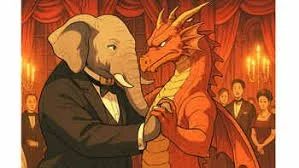
The India-China strategic rivalry is the most consequential bilateral competition of the 21st century — not because it is likely to produce a direct military conflict (both are nuclear-armed states with powerful deterrence incentives against war, and both are too economically interdependent for total decoupling), but because its outcome will determine the character of the emerging multipolar order across five continents containing 6 billion people.
The structural gap between India’s current capabilities and China’s scale advantage is real and will not close quickly. But the direction of travel is clear. India’s economy is the world’s fastest-growing large economy; its technological capabilities in pharmaceuticals, digital infrastructure, and space are world-class; its demographic dividend — the youngest large working-age population in the world — will sustain growth for decades. As CSIS (2026) concludes, India’s "growing economic power will encourage other countries to seek closer relations" in ways that will increasingly change the India-China competitive balance.
The End of IR theory
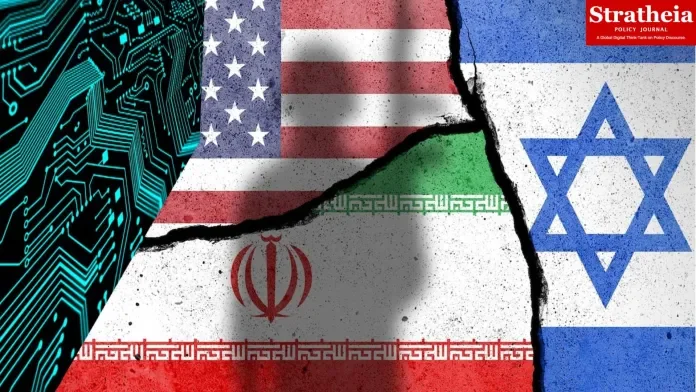
America's unipolar moment is over. This is not a matter of debate among serious scholars. Whether its end produces a stable multipolar concert, a bipolar US-China cold war, or a dangerously disordered interregnum of competing nationalisms and institutional breakdown is the defining question of the next two decades — and it is a question that the existing theoretical toolkit cannot yet answer with confidence. What we can say with confidence is that the answer will be determined not by the logic of any single theory but by the choices of states navigating the wreckage of an order they built and then, partly, destroyed.
Today, the question that hangs over every chancellery, every think tank, every graduate seminar in international relations is no longer "which theory best explains the world?" It is something starker and more unsettling: do the theories explain anything at all anymore? Are we, as a field, witnessing the end of IR theory — or merely its most consequential stress test? And if the old frameworks are cracking, what — if anything — can replace them?
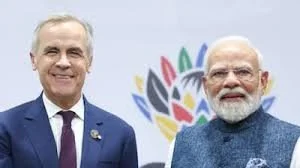
INDIA–CANADA RESET
When Canadian Prime Minister Mark Carney took the stage at the World Economic Forum in Davos, Switzerland on 20 January 2026, he delivered what many observers — and subsequently the New Delhi diplomatic circuit — would describe as the philosophical foundation for Canada's bilateral reset with India. Titled 'Principled and Pragmatic: Canada's Path,' the address was not merely an economic policy statement but a geopolitical manifesto: a declaration that the rules-based international order had 'ruptured,' and that middle powers had no choice but to act together or face subordination to great power hegemony.
Carney's Davos speech was, in part, a direct response to Trump: 'Washington has changed. There is almost nothing normal now in the United States.' His call for middle-power coalitions, trade diversification, and strategic autonomy was explicitly framed as the answer to US unilateralism. India — with its large market, energy demand, and own experience of US secondary sanctions — became the most important pillar of this diversification strategy.
The Decline of the United Nations
This working paper examines the structural decline of the United Nations as the primary institution of global governance and the concurrent rise of regional and issue-specific governance mechanisms, particularly BRICS, the G20, and the G7. Through analysis of Security Council veto patterns (2014-2025), institutional deadlock on major crises (Ukraine, Gaza, Sudan), and the proliferation of alternative multilateral forums, we argue that the UN system—designed for the bipolar world of 1945—has become structurally obsolete in the multipolar reality of the 21st century.
Our findings reveal that from 2022-2025, the UN Security Council cast 17 vetoes triggering General Assembly emergency sessions, with a staggering 7 vetoes in 2024 alone—the highest annual total since the Cold War. Meanwhile, BRICS expanded from 5 to 11 full members (2024-2025), with combined GDP reaching $27.2 trillion (36% of global GDP), while the G20 increasingly supplants the UN General Assembly as the premier forum for economic coordination. The G7, despite representing only 10% of global population, continues to exercise outsized influence through coordinated sanctions regimes and technology export controls affecting over 40% of humanity.
India and the Post-Western World Order
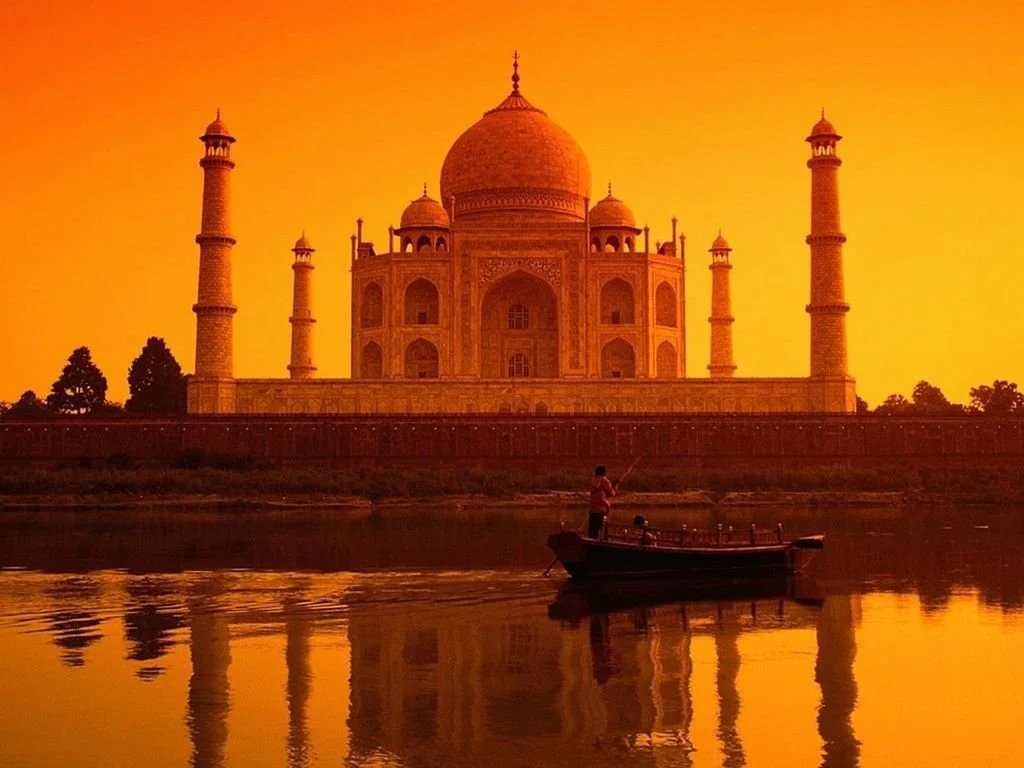
The post-1945 liberal international order, constructed under the aegis of American hegemony and shaped by the strategic imperatives of Western capitals, is undergoing a structural rupture of historic proportions. The convergence of great-power revisionism, the delegitimisation of Western-led institutions, the emergence of a multipolar economic landscape, and the vocal assertion of the Global South collectively herald the end of an era. This paper examines the contours of the emerging world order, advances a theoretical framework for its architecture, and argues that India — by virtue of its civilisational wisdom, democratic credentials, demographic dividend, and accelerating economic weight — is uniquely positioned to lead the Global South toward a cooperative, fair, and representative multilateral system grounded in international law. The paper identifies decisive policy choices India must make during this interregnum — choices that will determine whether the transition is managed peacefully or descends into systemic disorder. Drawing on structural realism, postcolonial international theory, and constructivist insights, it situates India’s rise not merely as a function of power maximisation but as a normative project: the realisation of Vasudhaiva Kutumbakam — the world as one family — as a governing philosophy for a post-Western international order.

China’s Global Civilization Initiative
India and China should forge new united security fronts under SCO, urges Indian scholar Binod Singh Ajatshatru. There has been Chinese proposal of Global Civilization Initiative which very much aligns with Indian philosophy. Despite the unfavorable global conditions and increasing Sino-US tensions, the foreign policy priorities/direction of Chinese leadership appears clearer & more concrete. It has five (abstract) components which are: Equal partnerships; A new security architecture; Common development; Inter-civilization exchanges. Time and again the top Chinese leadership has promised that China is a responsible global power and emphasized its belief in the UN. Implementing those initiatives is a different story but the political will is there. Chinese scholars have emphasized on the vision of President Xi, when he was asked about Chinese vision to "improve" global governance, they refer to the idea of century that is “Community of Shared Future of Mankind (人类命运共同体). Community of Shared Future of Mankind (CCD) is framed as the PRC’s proposal for an international order free of the “inherent (Western) biases of the existing international order”.
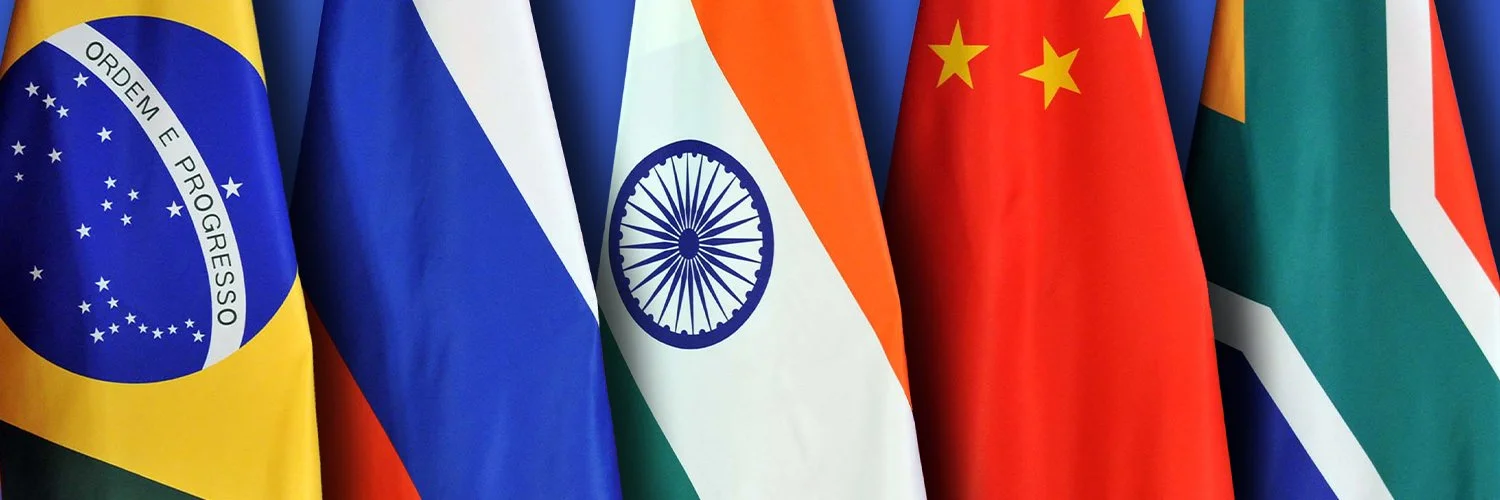
The Idea of BRICS plus gaining traction
The idea of BRICS mechanism is not just limited to economic
policy coordination.

Blog Post Title One
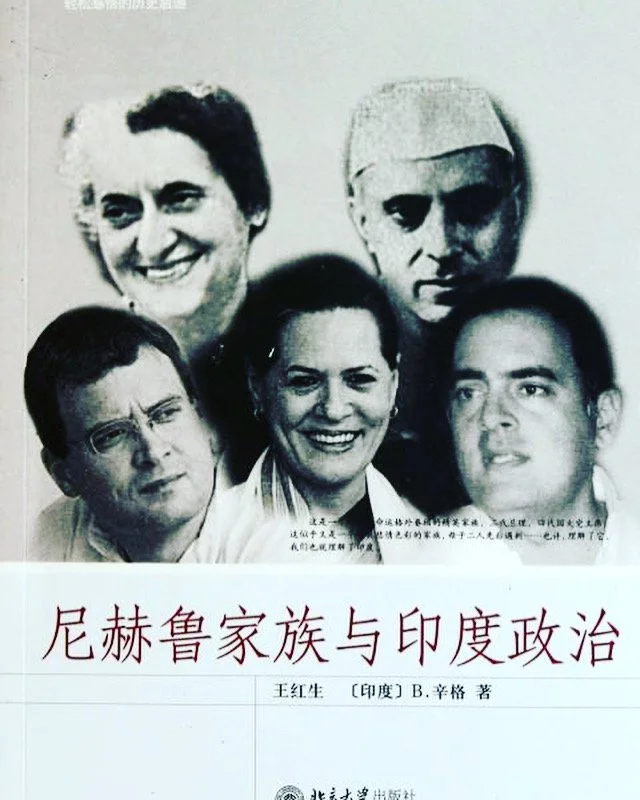
Book Manuscript titled “ Nehru’s and Indian Politics, Published by Peking University Press, Coauthored by Prof. Wang Hongsheng and Dr. B Singh
BEYOND THE BONHOMIE
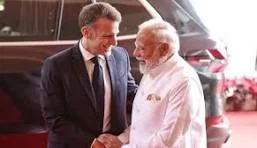
The Modi-Macron bonhomie, while diplomatically pleasant, should not blind Indian policymakers to underlying transactional nature of relationship. France pursues its interests through India relationship; India must equally pursue its interests with clear-eyed assessment of costs and benefits rather than being swayed by diplomatic flattery and summit pageantry. Strategic partnerships require balance, reciprocity, and mutual benefit—criteria the current India-France relationship only partially satisfies, with imbalance favoring France considerably.
The personal chemistry between Modi and Macron constitutes critical element enabling France extracting favorable agreements from India despite underlying asymmetries. Macron has masterfully cultivated Modi through diplomatic theater, personal gestures, and public flattery appealing to Modi's well-documented appetite for international recognition and validation.

Blog Post Title Three
“For BRICS, we are going to grow peacefully with mutual respect.” Binod Ajatshatru: BRICS offers hope for a positive role of global finance

VOCATINAL EDUCATION AND MANUFACTURING POWER
For policymakers globally, China's experience offers critical lessons: vocational education requires sustained political commitment and resources at scale matching university systems; employer integration must be institutionalized through regulatory requirements and incentives rather than voluntary partnerships; social prestige shapes enrollment quality and outcomes demanding public campaigns valorizing skilled trades; and technology integration requires continuous investment in equipment and instructor development. Countries aspiring to manufacturing-led development ignore vocational education at their peril, but simply replicating China's system proves insufficient without addressing cultural, institutional, and political economy contexts shaping education-industry relationships. The future of manufacturing—and vocational education's role preparing workforces—remains contested, but China's systematic approach provides valuable case study of possibilities when nations treat skill development as strategic national priority.
Binod Singh Ajatshatru: BRICS countries need to open their markets