

INTRA-BRICS COOPERATION
BRICS Pathways to Common Market Integration, Financial Cooperation, and Economic Synergy
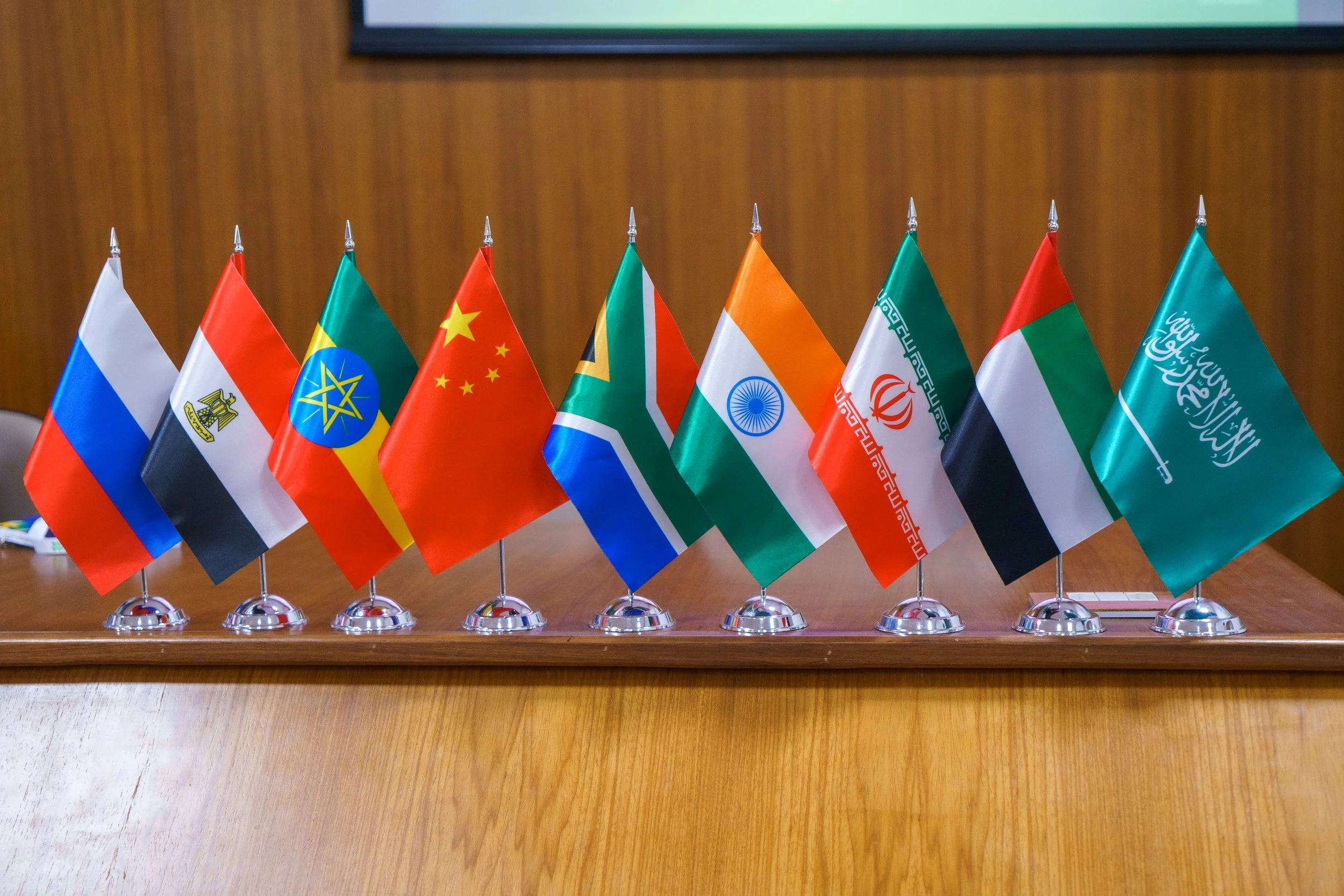
BRICS stands at critical juncture in 2026. The historic 2024 expansion, maturing institutional infrastructure (NDB, CRA), growing currency cooperation network, and demonstrated resilience through crises (COVID-19, Russia sanctions, global inflation) validate BRICS as enduring feature of multipolar order rather than temporary emerging market phenomenon. BRICS-10's collective economic weight—37% of global GDP (PPP), 45% of population, 43% of oil production—positions it as indispensable actor in global economic governance.
However, potential remains dramatically underutilized. Intra-BRICS trade at 9-10% of total trade lags far behind EU (63%), ASEAN (23%), or NAFTA (49%) integration levels. Currency cooperation, despite bilateral successes (China-Russia 95% local currency settlement), remains fragmented lacking multilateral clearing mechanism. CRA's non-activation reveals credibility deficit. Investment flows remain asymmetric with Chinese dominance generating dependencies rather than mutual benefit. Common market integration—FTA, investment protocol, standards harmonization—exists only in aspirational declarations without binding commitments or implementation timelines. Following are some proposals actionable recommendations for India's 2026 Presidency to accelerate BRICS market integration.
The salient features of the BRICS economies are their large geographical area and the size of their population. It is widely perceived that all the BRICS markets have great potential for establishing a prosperous middle class, which serves as a stabilising force in society. This middle-income group in each of the BRICS countries is growing at varying rates, but the direction is clear: the middle-class population will continue to expand in both size and disposable income, providing a solid base for further growth.
The BRICS countries’ role as an engine of new consumption-driven growth may increase more dramatically and quickly than many analysts expect. Their average growth in the past two decades makes BRICS countries a powerful and prominent force in the global economy. Technological developments across sectors in the BRICS economies are more visible over the past two decades, and may also be responsible for the changes in the composition of BRICS exports. The share of high-technology goods in the export baskets clearly indicates an upward trend. A large percentage of the BRICS nations’ import baskets consist of capital goods, indicating the process of large-scale industrialisation in these economies, which is also reflected in the changing composition of their commodity exports.
It is imperative that BRICS countries move their focus back to their home economies and conduct structural reforms by increasing investments in infrastructure, public products and R&D, stimulating business by tax cuts and promoting total factor productivity. No doubt structural reforms could take years and could hurt economic growth in the short term. BRICS countries are sure to be exposed to pressures and challenges during the process.
India's 2026 Presidency presents historic opportunity translating rhetoric into reality. The recommendations in this report—BRICS FTA negotiations, BCCU operationalization, CRA reform, NDB scaling, currency cooperation deepening, sectoral integration (energy, agriculture, digital)—provide actionable pathway from loose consultation forum toward genuine economic community rivaling existing blocs.
Success requires political will transcending narrow nationalism, accepting compromises on sensitive sectors, investing resources in institutional development, and cultivating long-term strategic patience. The alternative—continued underperformance relative to potential—risks BRICS becoming irrelevant talk shop marginalized by deeper integration occurring in other regions (RCEP, African Continental FTA, EU expansion) or bilateral mega-deals excluding BRICS.
The choice is clear: BRICS can become transformative force reshaping global economic architecture toward multipolarity, Southern leadership, and alternative development models; or it can remain symbolically important but substantively hollow grouping producing declarations without delivery. India's Presidency, coinciding with BRICS' 20th anniversary of formalized cooperation (2006-2026), should choose transformation.
To safeguard the gains BRICS countries have made, they should consider promoting cooperation for growth and development among themselves, and through dialogue with other like-minded partners. To this end, BRICS could consider market integration in the areas of trade, foreign investment and capital markets to counteract the effects of negative global trends. In addition, member states could work towards greater BRICS consultation and cooperation in economic and financial bodies such as the World Bank, the World Trade Organization (WTO) and the International Monetary Fund (IMF), and collaborate, using existing cooperative frameworks, to foster intra-BRICS consensus on issues of mutual agreement.
